
Unlocking the Potential of Biogas: 5 Key Insights into the Energy Transition

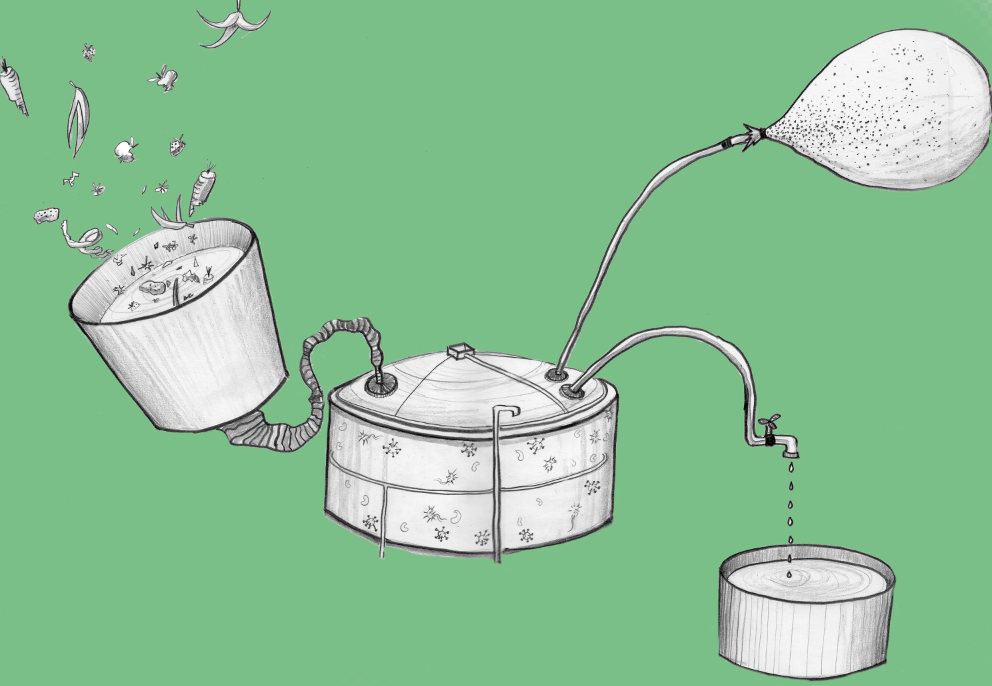
Anaerobic Digestion Drawing
Biogas, a product of bacterial activity, holds the key to a sustainable energy transition, with farmers playing a pivotal role in its production. This low-carbon energy source travels through a short supply chain, fostering regional development.

Table of Contents

Here are 5 essential aspects to understand about biogas and how CreChar supports this process!

Biogas Production Timeline: Introduce animal or plant biomass (such as manure, slurry, and crop residues) into an anaerobic digester. Heat the mixture, and stir regularly. After a minimum of 30 days of fermentation, bacteria work their magic, leaving behind biogas on one end and digestate on the other.

The inclusion of our flagship CreChar product in the anaerobic digestion process optimises the microbial environment. Which enhances the efficiency of biogas production and increases profitability.

Digestate as a Sustainable Fertilizer: While biogas is harnessed for heat, electricity, and vehicle fuel, the byproduct, digestate, emerges as a valuable fertiliser. Unlike its chemical counterparts, digestate, rich in organic matter and minerals, proves environmentally friendly when spread on soil. Its carbon and environmental cost is significantly lower than that of fossil fuel-intensive nitrogen and phosphorus fertilisers.

CreChar, could potentially influence the composition of digestate. Its rich organic matter and mineral content may enhance the quality of digestate, making it an even more valuable and a sustainable fertiliser when spread on soil.

Biogas and the Circular Economy: Biogas stands out as an ideal energy source for the circular economy due to its short supply chain. Anaerobic digesters, strategically placed near farms and organic matter suppliers, minimise biomass transport. This local approach ensures low carbon emissions, benefiting towns and industrial zones with easy access to biogas production.

By improving biomethane output by up to 10%, Carbogenics’ CreChar contributes to the circular economy by maximising the energy yield from organic waste. This aligns with the short supply chain philosophy, as efficient biogas production minimises the need for extensive biomass transport. CreChar is carbon negative additive unlike chemical ones and permanently removes carbon storing it in the soil for hundreds of years.  

Environmental Benefits of Biogas Production: Beyond its short supply chain, biogas production contributes to environmental sustainability. Firstly, digesters capture and transform organic matter, mitigating the release of greenhouse gases. Secondly, biogas replaces higher-emission fossil fuels across various applications, including heating, transportation, and electricity production. Thirdly, the addition of digestate to soil allows farmers to cultivate cover crops that act as a “carbon sink,” storing CO2 in the soil.

The increased biomethane output facilitated by CreChar has direct environmental benefits. It not only reduces the reliance on higher-emission fossil fuels but also enhances the overall environmental sustainability of biogas production by capturing and transforming more organic matter into a cleaner energy source.

Odour Reduction through Anaerobic Digestion: Anaerobic digestion, by breaking down organic matter in the absence of oxygen, effectively reduces the odours associated with biogas production. This process destroys volatile fatty acids responsible for decomposition odours. Farmers use this method to minimise odours from agricultural activities like manure spreading. Operators adopt measures such as working in closed buildings and air treatment to control odours during transport, storage, unloading, and loading stages.

While the primary focus of CreChar is on biomethane enhancement, the optimised anaerobic digestion process it promotes may indirectly contribute to odour reduction. The efficient breakdown of organic matter with the help of CreChar minimises the release of volatile fatty acids responsible for unpleasant odours.

In summary, Carbogenics’ CreChar plays a crucial role in advancing the efficiency, profitability, and environmental impact of anaerobic digestion, aligning well with the broader goals of sustainable biogas production and the transition to clean energy.


Get a tailored CreChar® solution

For further information on Crechar® and other services from Carbogenics please contact: 

Lidia headshot

Lidia Krzynowek

(COO and Co-Founder) lidia.krzynowek@carbogenics.com

Related Articles

Carbogenics Secures $80,000 Workforce Funding to Accelerate U.S. Expansion in New Mexico

May 4, 2026

Carbogenics Shortlisted For The Scotland Business Of The Year Award for Sustainability!

April 24, 2026

The Growing Biogas Opportunity in Sweden and the Nordic Region

April 22, 2026

Oil Shock in the Gulf: Why the Iran War Is a Wake-Up Call for Biogas

April 1, 2026

Whisky Business? Let’s Talk Distillery Waste

March 12, 2026

Nearing the Finish Line: Our FilaChar Innovate UK Project

February 19, 2026

Food Waste: The Good, the Bad, and the Biogas

February 5, 2026

Biochar and the Future of Carbon Credits: Unlocking the Hidden Potential of Waste Streams

January 22, 2026

Whey Not? – Turning Dairy Waste Into Renewable Energy

December 15, 2025

Biogas and Net Zero: How Carbogenics Supports a Greener Future

November 28, 2025

Feedstock is Expensive – Here’s How to Get More Bang for Your Buck!

October 1, 2025

Rethinking Ammonia Control in AD: The Role of CreChar

August 19, 2025

Tackling Hydrogen Sulphide in Anaerobic Digestion

June 16, 2025

Let’s Talk Chicken Sh**

June 4, 2025

Navigating Legislative Hurdles: What are the biggest issues holding back expansion of the UK Biogas Industry

May 29, 2025

Carbogenics Podcast: Challenges and Opportunities in Anaerobic Digestion

May 20, 2025

Boost Your Biogas: Exciting Advancements in Anaerobic Digestion Technology

May 19, 2025

Carbogenics USA!

March 27, 2025

Carbogenics Launches Its First Podcast!

March 19, 2025

FREE Webinar: Biochar and Biogas – A Winning Combination!

November 14, 2024

Optimising Operating Parameters to Improve Digestion Efficiency

September 25, 2024

Boosting Your Anaerobic Digester’s Performance with Additives & Supplements

August 26, 2024

Ireland Sets the Standard with Its National Biomethane Strategy

August 7, 2024

How Does CreChar Affect Silage and Slurry?

July 30, 2024

Identification of novel functional microbes from anaerobic digestion plants

July 29, 2024

BioChar vs CreChar: Enhancing Anaerobic Digestion

July 10, 2024

Is Increased Investment and Support for the Biogas Industry on the Agenda with a Labour Government?

July 5, 2024

Q&A with Robert Kennedy of Strathendrick Biogas: His Experience with CreChar

June 12, 2024

The Role of Biochar in Anaerobic Digestion

May 27, 2024

Biochar: Making Use of Compost Oversize

April 3, 2024

March Recap: Highlights and Updates from Carbogenics!

April 1, 2024

Prof. Ondřej Mašek is working with Carbogenics as an advisor!

March 27, 2024

It’s International Women’s Day! Hear from Lidia Krzynowek on what it’s like being a Female COO

March 8, 2024

What happens to your food waste?

January 30, 2024

Scotland’s Climate Commitment: A Global Catalyst for Change

January 3, 2024

How can biogases help to decarbonise industrial processes?

October 23, 2023

Carbogenics is bringing an Anaerobic Digestion workshop to Lincolnshire!

October 11, 2023

Carbogenics chosen to join MaRS Discovery District and Innovate UK’s Advanced Manufacturing Incubator

October 10, 2023

Carbogenics Co-Founder, Lidia Krzynowek, Shares Insights on Spin-out Companies with Shadow Minister for Business, Energy, and Industrial Strategy

October 5, 2023

Unlocking the Potential of Biomethane in Anaerobic Digestion

September 27, 2023

Diary of Carbogenics CEO at Climate Week NYC – Reflections on Climate Week

September 25, 2023

Carbogenics Co-Founder Lidia Krzynowek Adventures to ADBA Conference in Belfast

September 15, 2023

Carbogenics team visit Scottish Water development hub

September 11, 2023

Scots firm to trial system that turns toilet-blocking waste into eco-friendly water cleaner

November 15, 2021

Create an account to access this functionality.
Discover the advantages