
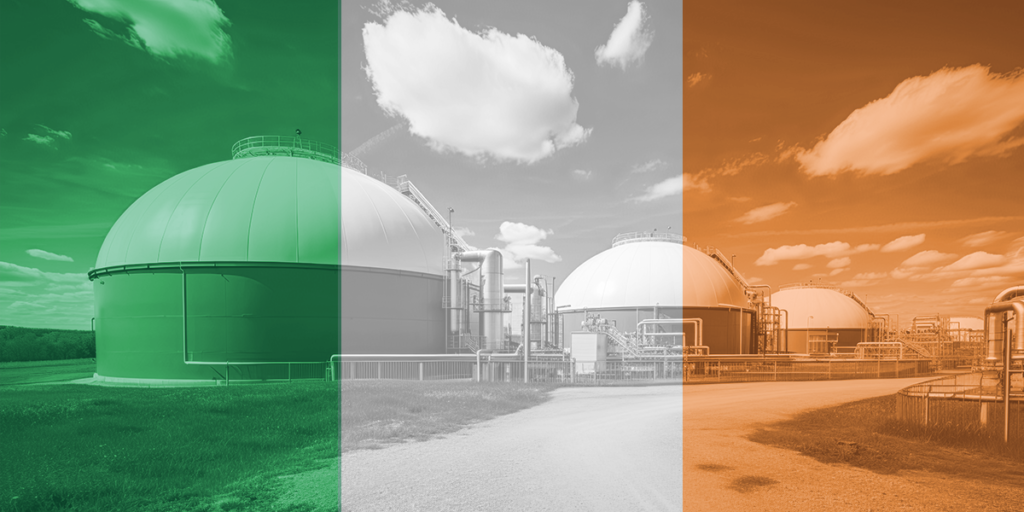
This new initiative aims to bolster the biomethane industry, crucial for decarbonising the gas network and achieving the country’s ambitious climate targets. At Carbogenics, we wholeheartedly support this strategy and are excited about the opportunities it brings for current and prospective anaerobic digestion (AD) producers.
This strategy from Ireland aligns perfectly with the REPowerEU strategy and global push for biogas. With the EU’s strong support for renewable energy, we can see similar initiatives spreading across Europe and beyond.
The UK, too, has immense potential but currently lags behind in production. With the recent election of Sir Keir Starmer and the new Labour government, we are hopeful for enhanced support and investment in the UK’s biomethane industry. Read our thoughts on the new Labour government plans here.
A Major Boost for Anaerobic Digestion
The new strategy outlines several measures designed to incentivise investment in anaerobic digestion facilities, setting the stage for significant growth in the industry. Highlights include:
- Capital Grants for AD Plants: The government plans to offer capital grants to help businesses invest in AD plants, fostering the development of 150-200 facilities nationwide.
- Regulatory Obligations for Renewable Gas: Energy providers will be required to purchase and use a percentage of biofuels annually. This phased approach will start at 2% and rise to 10% by 2030, creating a guaranteed market for biomethane.
- Support for Decarbonisation: The strategy aims to have biomethane provide 10% of the country’s gas needs by 2030, significantly contributing to the decarbonisation of the gas network.
Why Biomethane?
Biomethane is a carbon-neutral renewable gas produced from farm and food waste through anaerobic digestion. It’s fully compatible with the existing gas infrastructure, making it an easy and effective substitute for natural gas. Biomethane can be used in heating, industry, transport, and power generation, providing a versatile solution for reducing carbon emissions.
Key Benefits of Biomethane:
- Reduced Emissions: Biomethane can significantly cut CO2 emissions, playing a vital role in Ireland’s climate action efforts.
- Energy Security: By reducing reliance on imported energy, a robust biomethane industry enhances national energy security.
- Economic Opportunities: The biomethane industry offers new revenue streams for farmers and supports the circular economy by turning waste into valuable resources.
A Bright Future for Biomethane in Ireland
The European Commission has identified Ireland as the EU country with the best potential for biomethane per capita. With the right policy and support mechanisms, Ireland can harness this potential to become a leader in biomethane production. The new National Biomethane Strategy is a significant step toward realising this vision, providing a clear roadmap and robust support for the industry.
Carbogenics: Supporting Your Biomethane Journey
Our flagship product CreChar® is a functional and sustainable carbon material known as biochar, with numerous applications in industry and agriculture.
With its large surface area and its unique chemical composition, CreChar® can stabilise biological performance and regulate pH in anaerobic digestion and wastewater treatment plants. It also has the potential to create ideal growth conditions for functional and process-enhancing microorganisms that digest organic waste.
Thanks to these properties, CreChar® increases the stability and efficiency of anaerobic digestion and wastewater treatment processes. The increased efficiency means that an anaerobic digestion plant can produce around 10% more biogas from the same amount of feedstock or maintain its output using less feedstock.
- Enhanced Biogas Production: CreChar’s porous structure provides an ideal habitat for microbial communities, boosting biogas yields by up to 10%
- Improved Biogas Quality: CreChar can increase methane concentration by up to 3%
- Improved Process Stability: CreChar helps buffer pH fluctuations and adsorb inhibitory compounds, ensuring a stable digestion process.
By incorporating CreChar into your AD operations, you can achieve superior performance and sustainability, aligning with the goals of Ireland’s new biomethane strategy.
To discuss how CreChar® can support your Anaerobic Digestion plant, reach out to us at lidia.krzynowek@carbogenics.com or david.vaughan@carbogenics.com
Conclusion
The publication of Ireland’s National Biomethane Strategy marks a pivotal moment in the country’s journey toward a cleaner, more sustainable energy future. With strong government support and a clear roadmap, the biomethane industry is poised for significant growth. At Carbogenics, we look forward to helping AD producers maximise their potential with our innovative solutions.
Other countries should take note and follow in Ireland’s footsteps. By investing in biomethane and supporting the development of anaerobic digestion infrastructure, nations around the world can significantly reduce their carbon emissions, enhance energy security, and support a circular economy. The path to a greener future is clear, and Ireland is leading the way. Let’s join them in embracing renewable energy solutions and making a tangible impact on our planet.

