
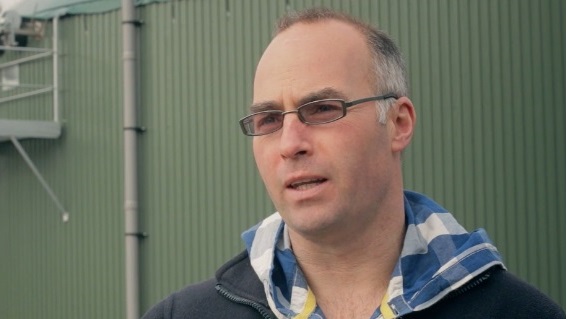
Q: Could you provide an overview of your understanding of CreChar and how it differs from regular biochar?
Robert Kennedy: CreChar has been specifically designed and manufactured to enhance gas yield and performance in biogas plants. Unlike conventional biochar, which is typically used as a soil conditioner, CreChar is tailored to improve the efficiency of biogas production.
Q: What initially drew you into CreChar?
Robert Kennedy: My interest in CreChar stemmed from the specific challenges we face in our biogas production process. We treat distillery co-products, which are very high in protein, leading to high ammonia content in the digesters. High ammonia levels inhibit the methanogenesis process, reducing overall efficiency. I was looking for a solution to bind the ammonia and mitigate its inhibitory effects. While exploring various products, I found that many were mineral-based, like zinc. However, I wanted a more sustainable option. CreChar, appeared to be the ideal choice due to its sustainability and effectiveness in addressing the ammonia issue.
Q: Do you see benefits using CreChar over other alternatives?
Robert Kennedy: Yes, I do. Initially, I was exploring ways to address the high ammonia content in my digester. I came across research that suggested using carbon to absorb ammonia. After trying activated carbon, I noticed a quick 2-3% improvement in gas yield efficiency. Increasing the dosage further improved the yield, eventually reaching nearly 20% more gas from the same feedstock.
However, over time, the effectiveness of activated carbon started to diminish. This was likely due to it binding other essential elements in the digester, which affected microbial activity. When I switched to CreChar, it offered similar benefits in gas yield and methane concentration but with added advantages in handling and overall process stability.
Q: How does the ease of use and handling of CreChar compare to activated carbon?
Robert Kennedy: CreChar comes in biodegradable paper bags, making it much easier to use. We can simply throw the entire bag into the feeder, unlike activated carbon or generic biochar, which comes in plastic bags that need to be cut open and disposed of separately. This simplicity in handling is a significant advantage.
Q: Have you noticed an improvement in gas quality and the overall operation of your biogas plant with CreChar?
Robert Kennedy: Yes, the methane content in the biogas has increased from around 52% to 55-56%, which is a significant improvement. Additionally, CreChar has helped reduce foaming events in the digester, which were previously quite frequent. Now, foaming events have decreased to maybe one or two a month, compared to multiple times a day before using CreChar.
Q: Do you feel using CreChar is supporting you in meeting your environmental goals?
Robert Kennedy: Absolutely. CreChar aligns well with our environmental goals. By using waste materials instead of virgin materials, CreChar supports a more sustainable and eco-friendly process.
Q: What do you see as the future potential for biochar in anaerobic digestion?
Robert Kennedy: Biochar, through pyrolysis or gasification of carbon-rich biomass, is a known process that offers significant environmental benefits. The use of co-products in making biochar enhances its sustainability. As technology evolves, I believe biochar products like CreChar will play a crucial role in improving biogas production efficiency and environmental sustainability.
Conclusion
Robert Kennedy’s experience with CreChar and activated carbon highlights the practical benefits of using specialised biochar in biogas production. From improved gas yield and methane concentration to easier handling and reduced environmental impact, CreChar proves to be a valuable addition to the biogas industry. As we look to the future, innovations in biochar products will continue to enhance the efficiency and sustainability of biogas production.
___
What is CreChar®?
Our flagship product CreChar® is a functional and sustainable carbon material known as biochar, with numerous applications in industry and agriculture.
With its large surface area and its unique chemical composition, CreChar® can stabilise biological performance and regulate pH in anaerobic digestion and wastewater treatment plants. It also has the potential to create ideal growth conditions for functional and process-enhancing microorganisms that digest organic waste.
Thanks to these properties, CreChar® increases the stability and efficiency of anaerobic digestion and wastewater treatment processes. The increased efficiency means that an anaerobic digestion plant can produce around 10% more biogas from the same amount of feedstock or maintain its output using less feedstock.
To discuss how CreChar® can support your Anaerobic Digestion plant, reach out to us at alana.mcskimming@carbogenics.com

