This project aims to assess the effectiveness of biochar derived from digestate feedstock, EcoChar (Emission Control Organic-Char) – in reducing harmful gases emitted by a digestate lagoon. This EcoChar project involves characterising digestate and EcoChar, conducting small-scale testing, and analysing the EcoChar for additional benefits such as nutrient uptake. This project will validate the potential for EcoChar to be used as a low-cost, efficient, and eco-friendly alternative to traditional Anaerobic Digestion (AD) lagoon cover materials.
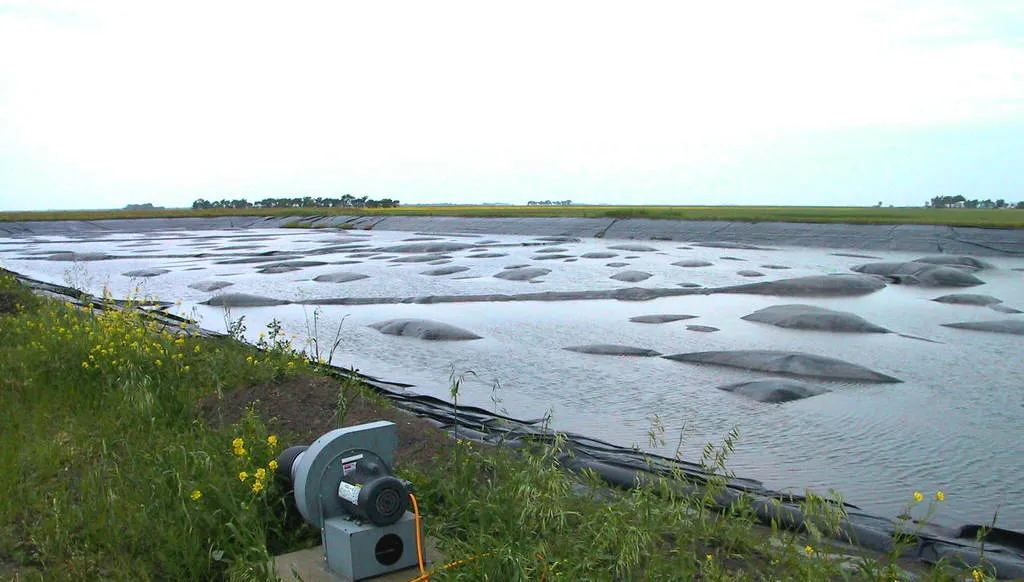
The Clean Air Strategy will mandate emission abatement for open slurry and digestate stores (lagoons), where they are currently not required to be covered. Significant amounts of ammonia are lost to the atmosphere from open stores, tanks and lagoons that are currently open to the elements. It is expected that any newly constructed store will need a fixed/rigid cover. However, existing infrastructure will be able to use a wider range of options, including straws/organic layers or lightweight aggregate materials. Typical non-rigid lagoon cover has limitations and is impermeable to gases and liquids.
A lagoon cover helps contain harmful gases, controls odour and biogas capture. Fixed covers will be cost-prohibitive in many situations, and it is therefore vital that other methods can be used to bring existing stores into compliance. Biochar as a cover can also be utilised as a potential fertiliser and soil conditioner once its role as an emission suppressant concludes. Moreover, biochar is recognised as an effective carbon sequestration method when applied to soil. AD lagoons use open-air basins/ponds for the storage of digestate after the AD process.
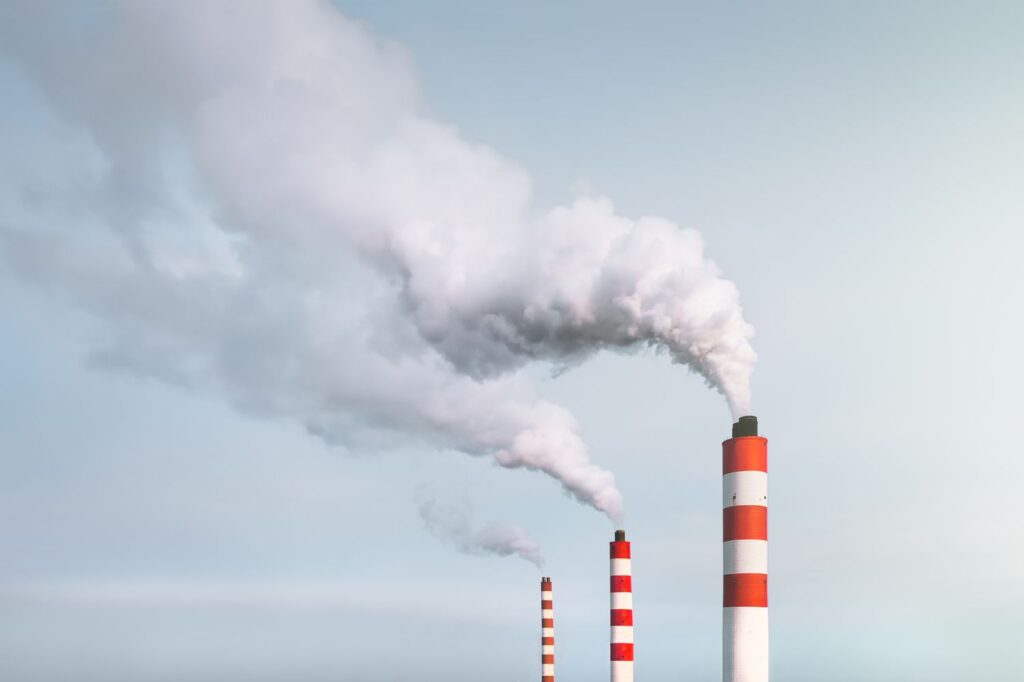
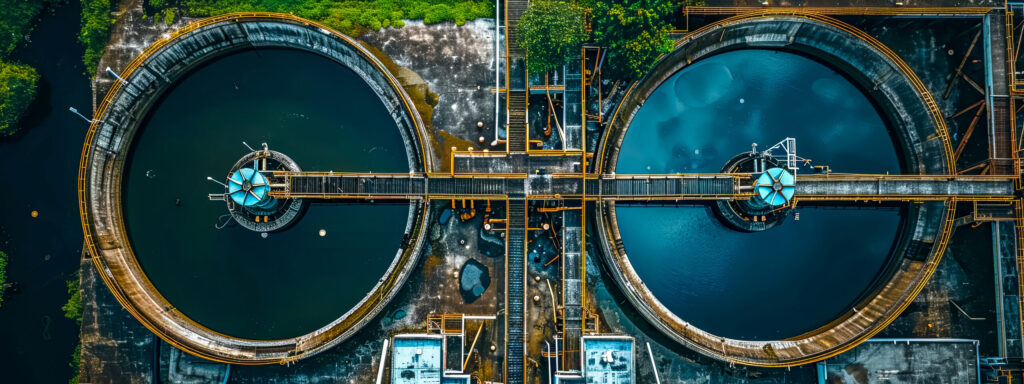
AD systems typically involve enclosed reactors to treat various types of organic waste such as agricultural waste, wastewater and food processing residues. It undergoes microbial breakdown anaerobically facilitating the production of biogas, primarily methane, which can be utilised as a renewable energy source. However it also emits harmful gasses such as ammonia, hydrogen sulphide, methane, and carbon dioxide due to the decomposition of organic matter. These gases pose environmental and health risks, contributing to air pollution.
The EcoChar project will also look at AD digestate as a potential feedstock for preparing biochar. Digestate is composed of partially degraded organic matter making it rich in nutrients and a suitable feedstock. Processing digestate into biochar through a thermochemical process, pyrolysis, facilitates better management of the digestate disposal thus reducing waste and will improve the circularity of the overall process.